Corporate
2025.11.04
Beach Cleanup!
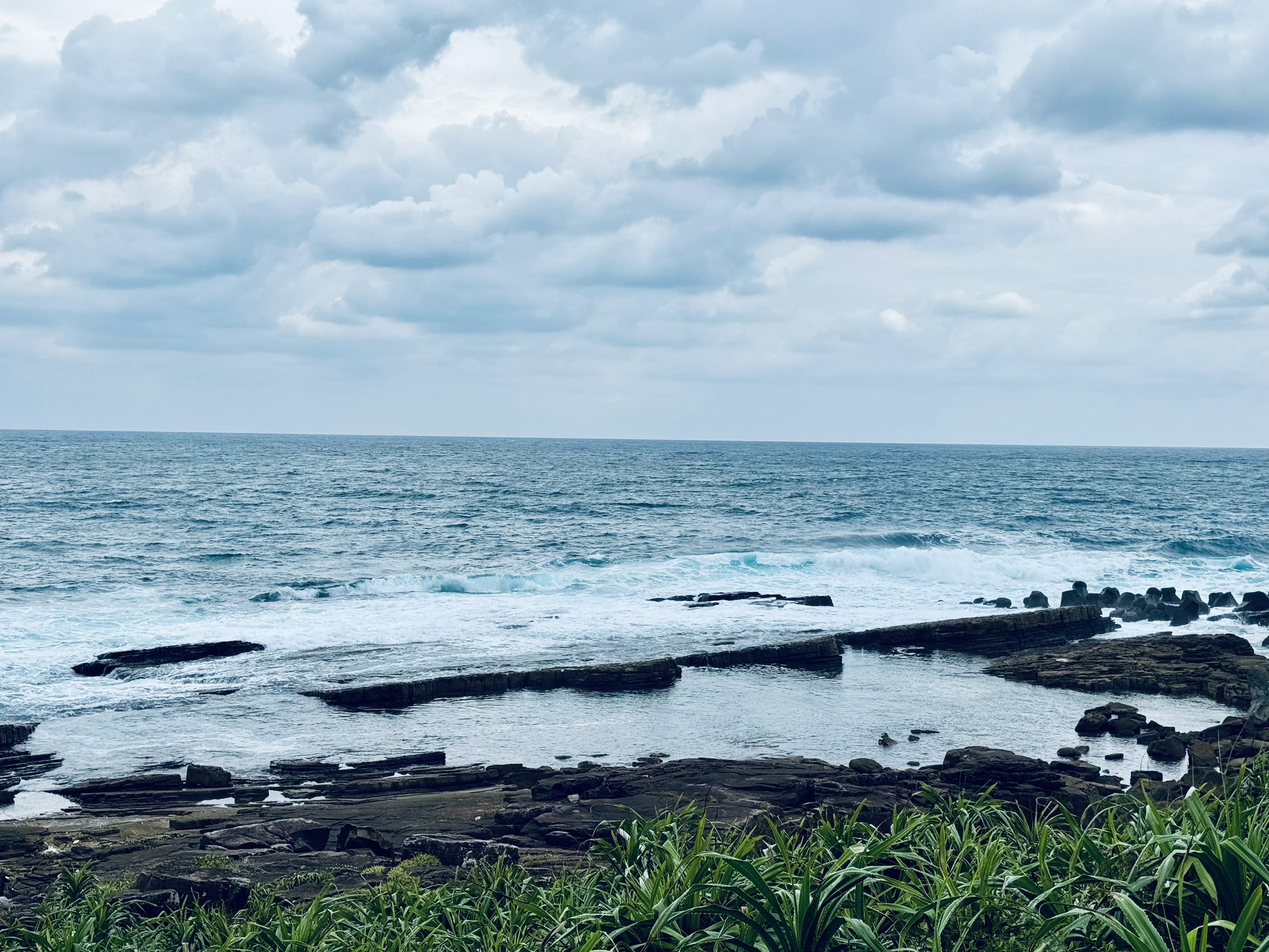
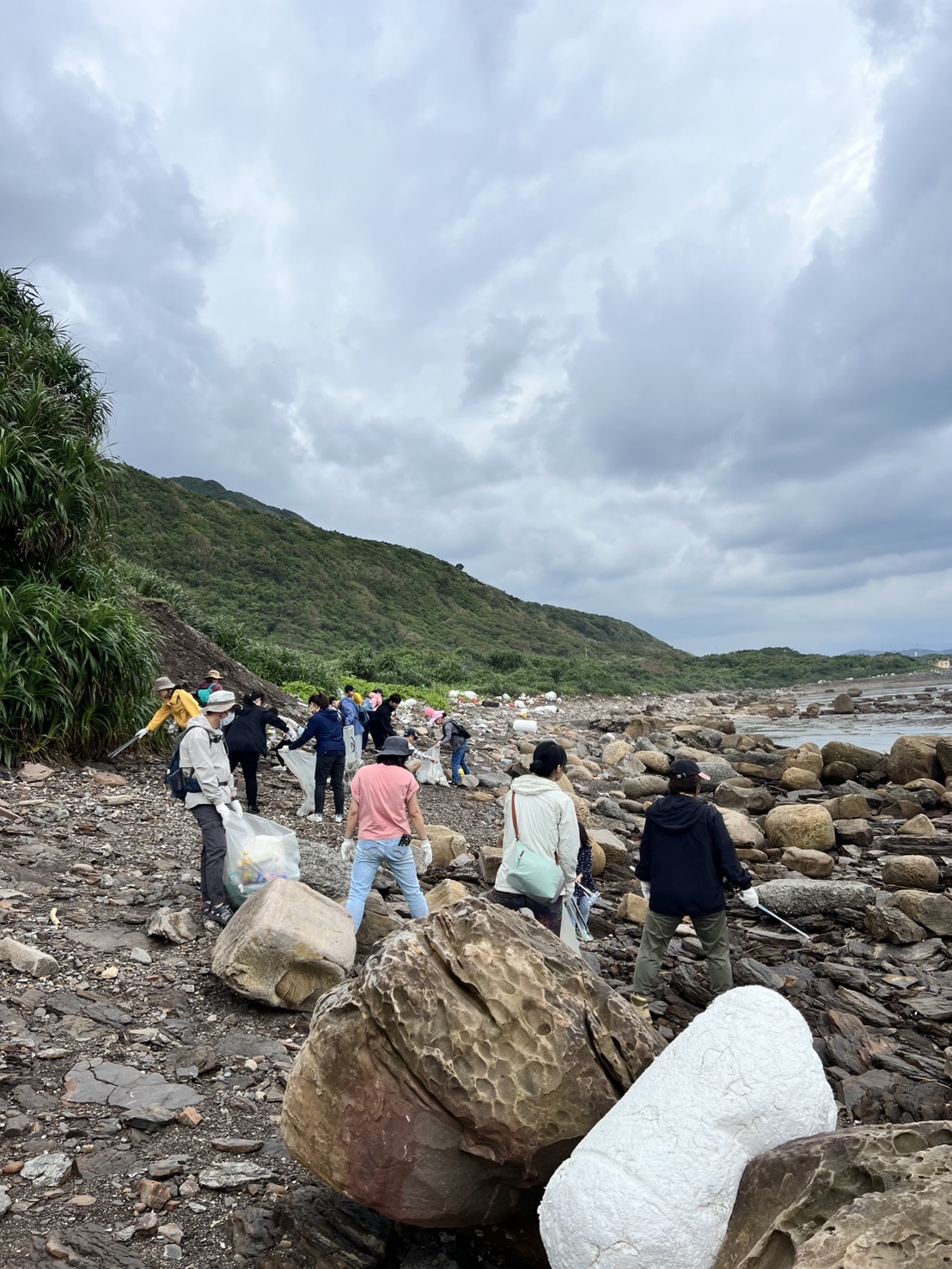
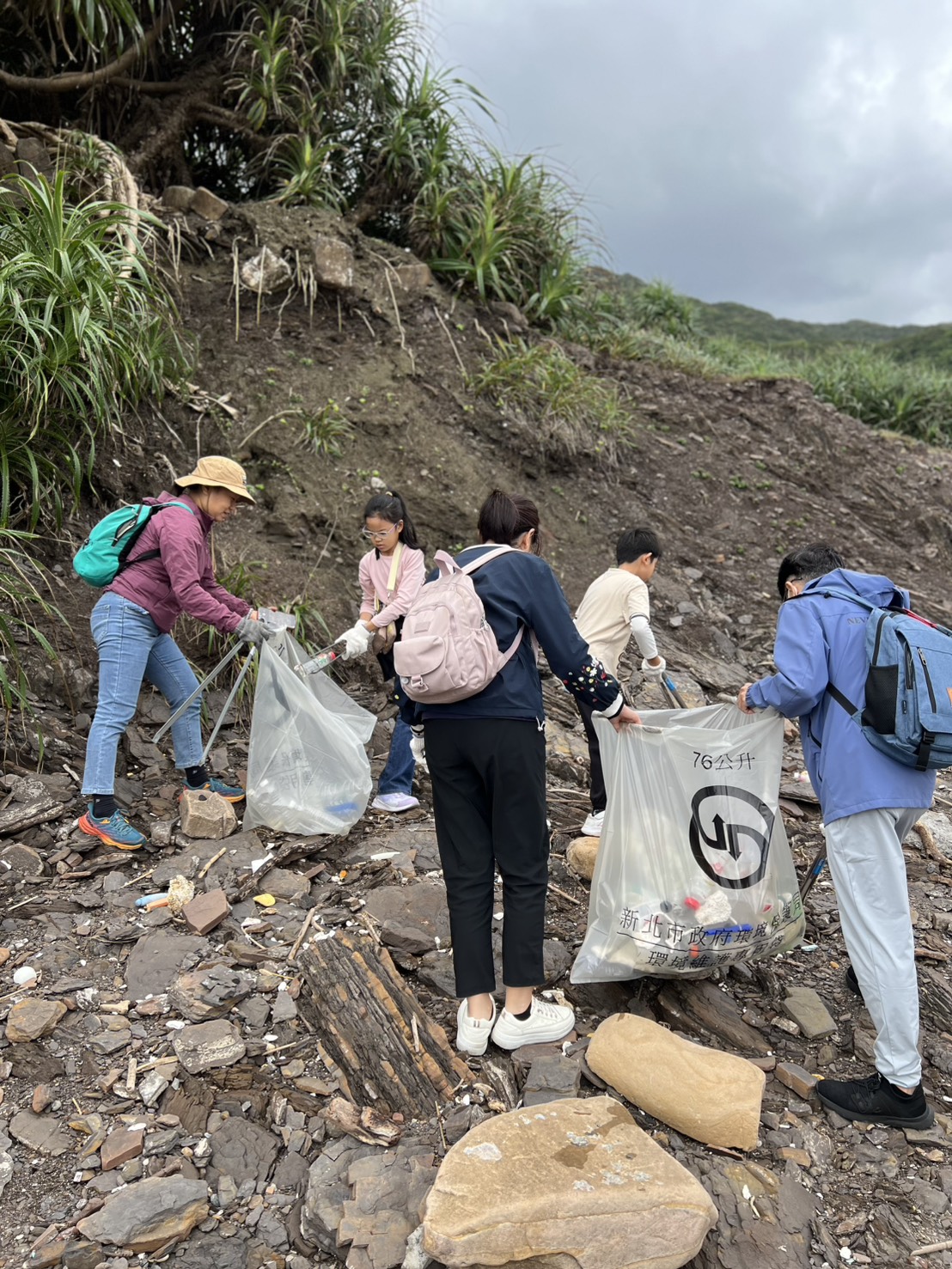
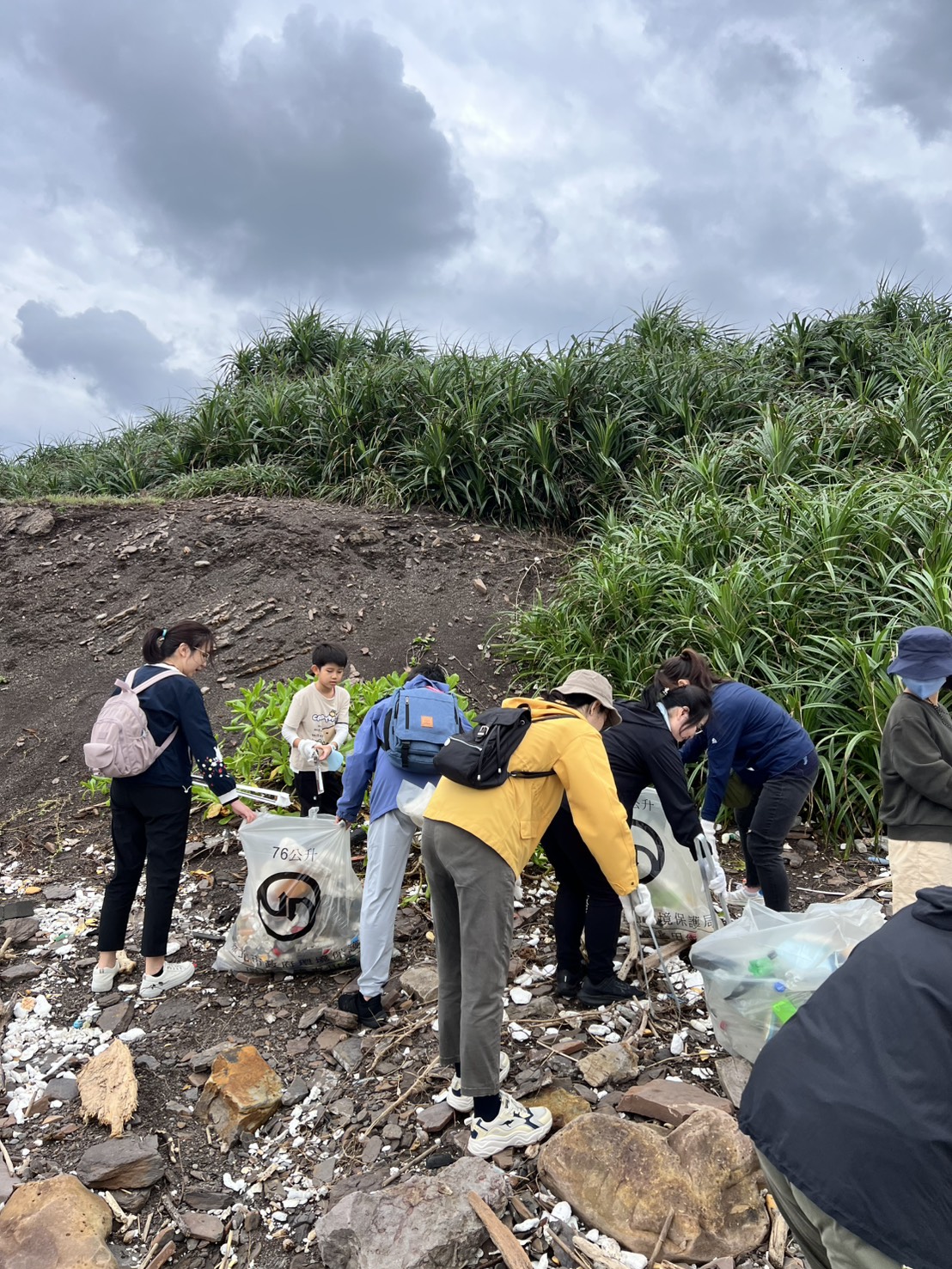
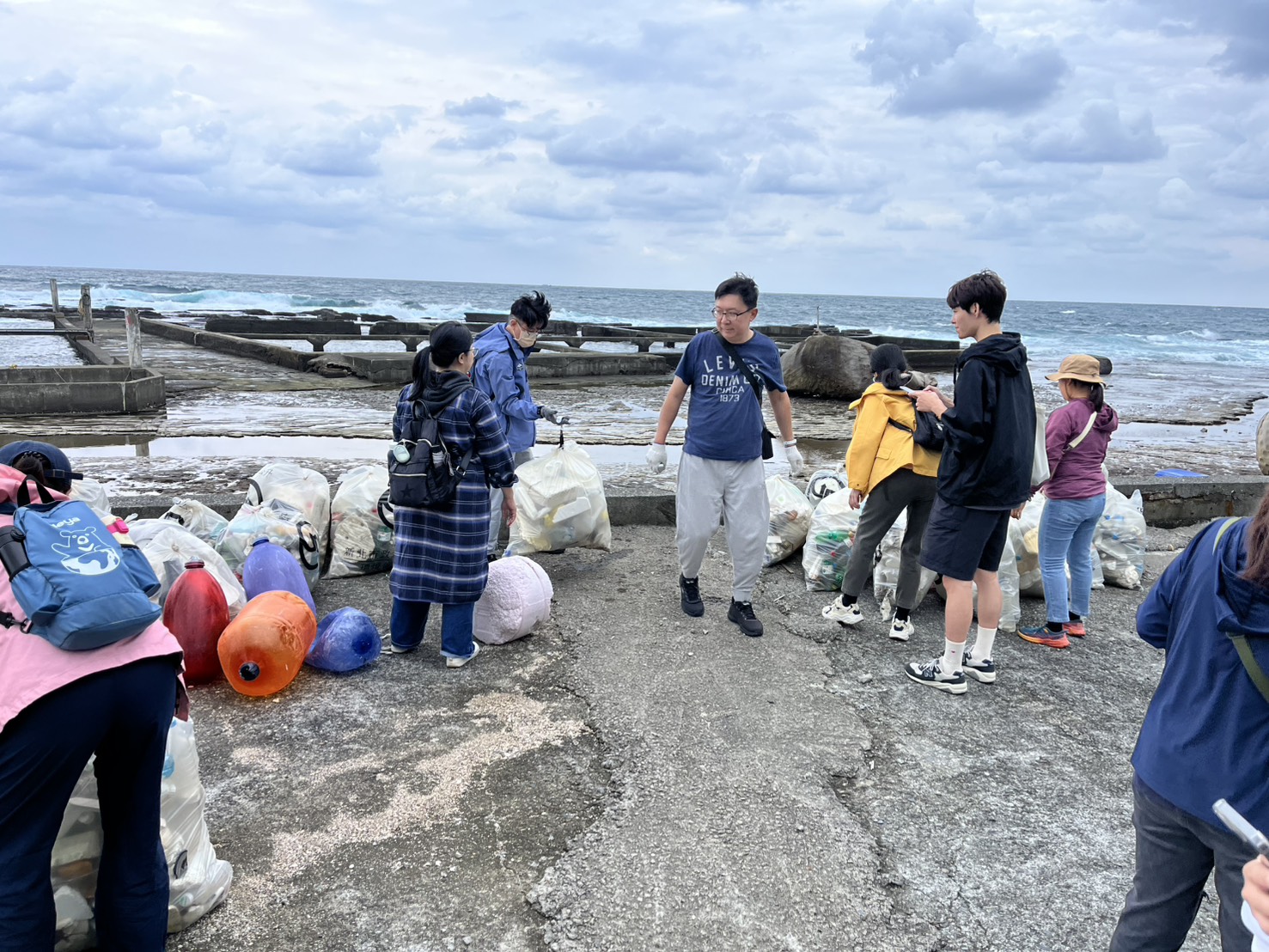
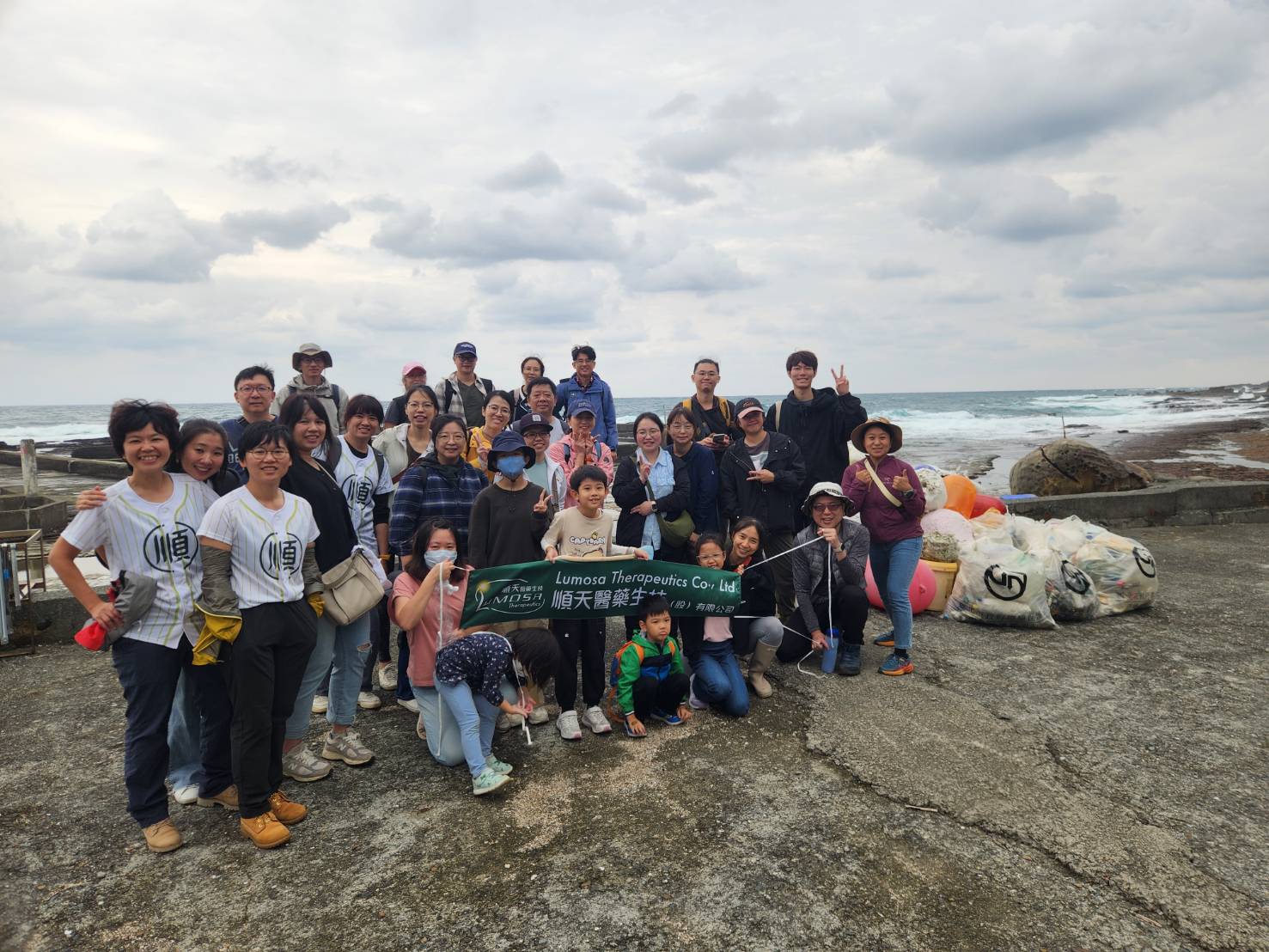
Lumosa Employee Welfare Council organized a beach cleaning event earlier this month to remove refuse left on the beach near Mao'ao, a small fishing village in Sandiao Cape, the easternmost point of Taiwan, located between Fulong in New Taipei City and Shicheng in Yilan County.
According to legend, in 1626, Spanish vessels sailing from the Philippines reached the waters off Taiwan's northeast coast and named the area "San Diego" (thus, Sandiao Jiao in Mandarin).
Most Lumosa staff brought their families to participate in the event. "We want to take this opportunity to educate the staff and children about pollution and sustainable practices. Trash such as plastic cans and fishing nets may entangle animals or be ingested, leading to injury or death of marine life," says the organizer, May Wu. The team picked up 190kg of waste that day.
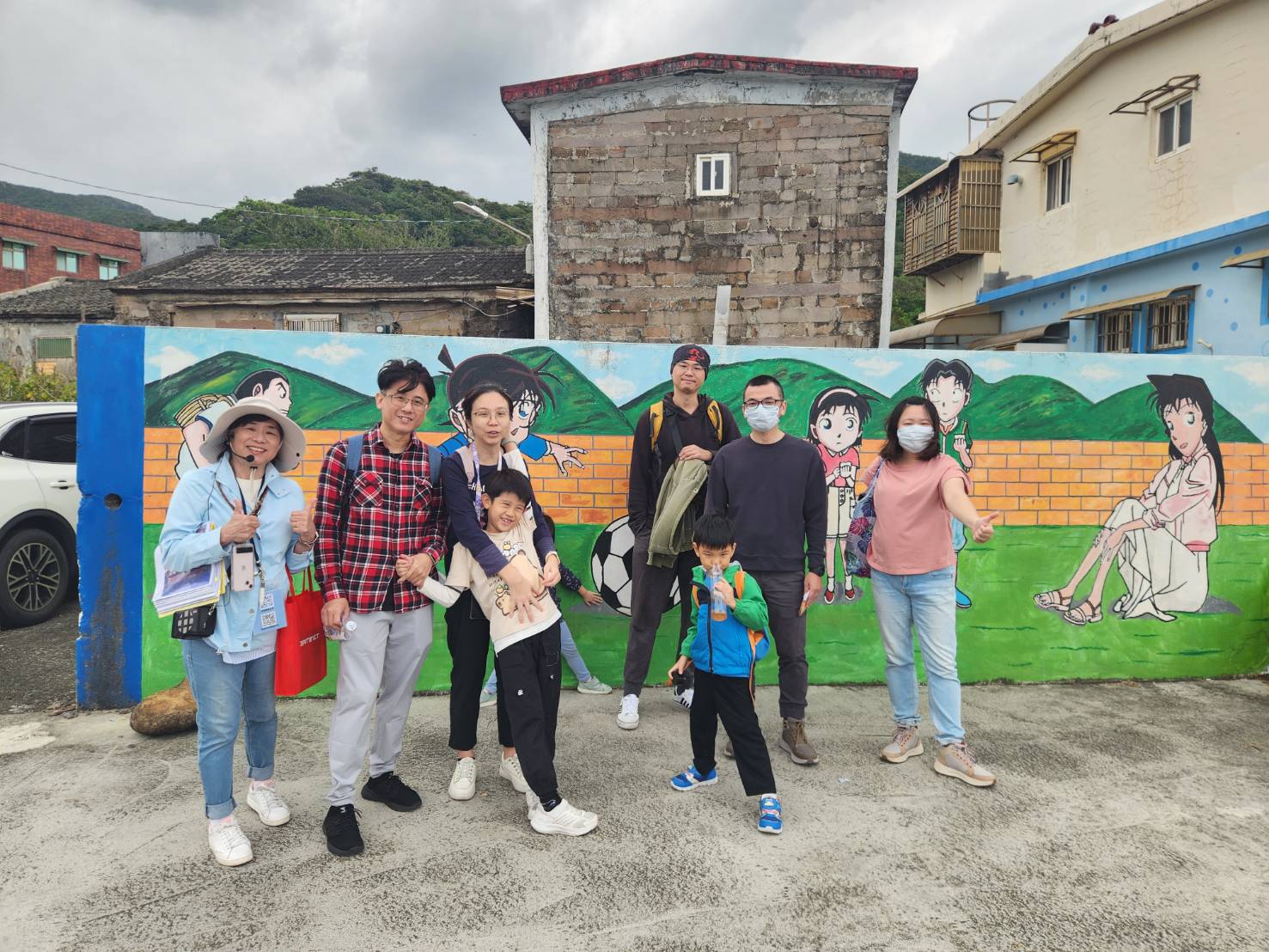
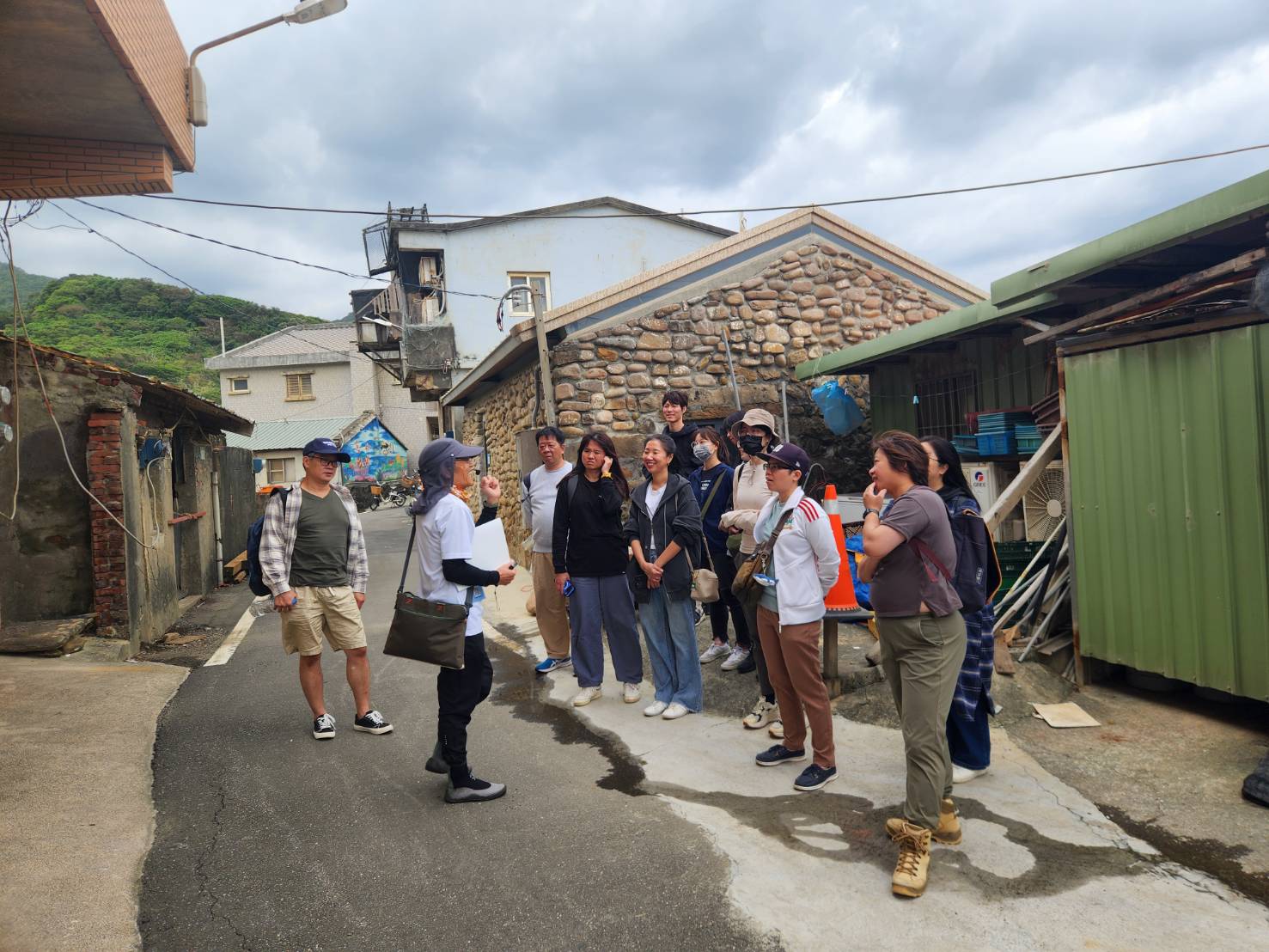
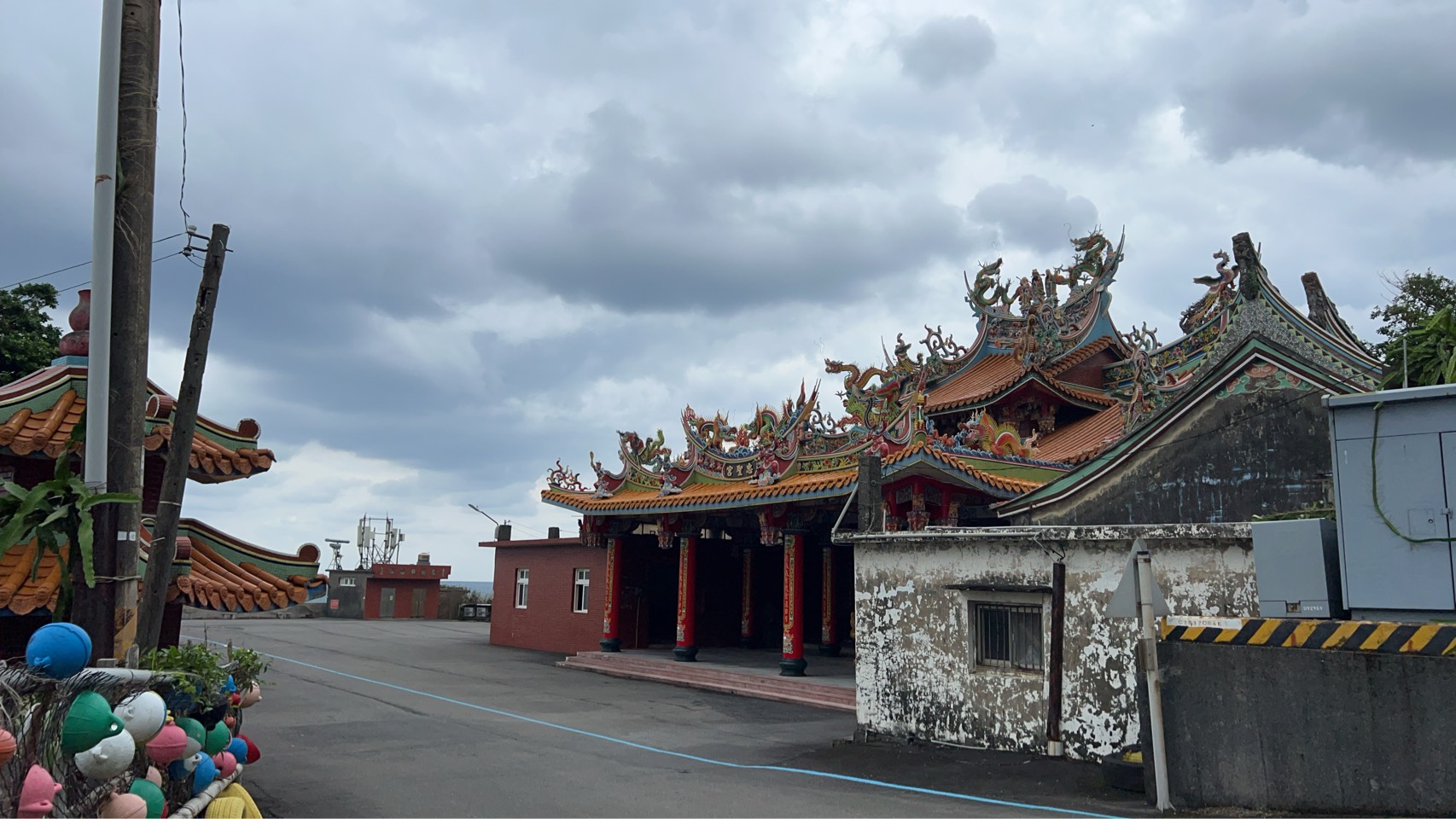
After the event, a local guide was hired to show the team local Mao'ao history, particularly the traditional fishing culture preserved by the local communities. The team learned how the various stone houses built by early Han-Chinese settlers more than 200 years ago using limited resources at hand under harsh environment.
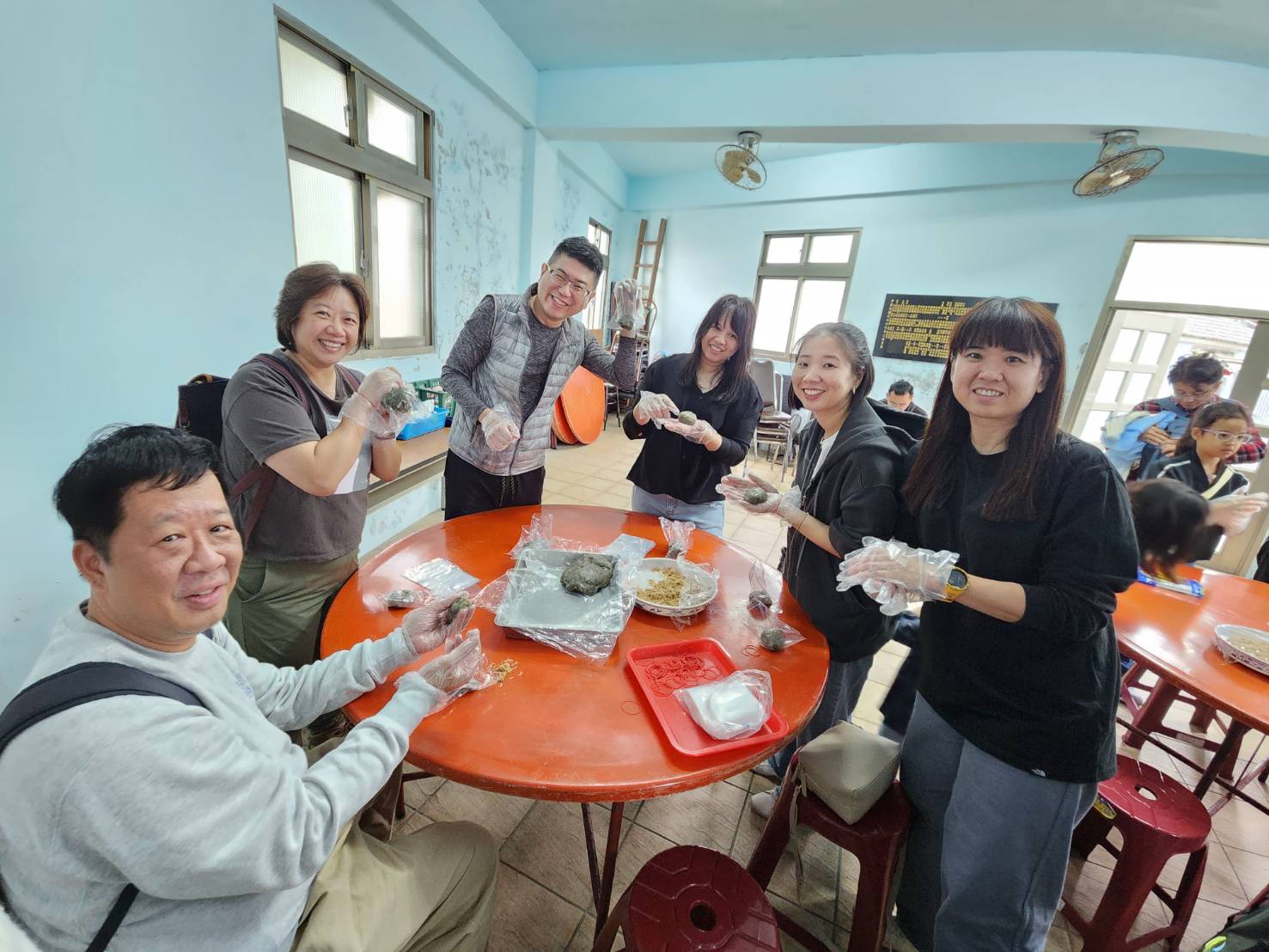
"草仔粿" (tsaozi guo; rice cake/mochi), is a type of traditional rice snack where dried/pickled mugwort herb is stuffed inside the pounded rice cake. The participants learned how to make the Mao'ao-style tsao guo where local grass was used instead of traditional mugwort.
The history of Mao'ao is the interaction between the settlers, the aboriginals and the environment, a great example of collaboration, perseverance, and adaptability.
According to legend, in 1626, Spanish vessels sailing from the Philippines reached the waters off Taiwan's northeast coast and named the area "San Diego" (thus, Sandiao Jiao in Mandarin).
Most Lumosa staff brought their families to participate in the event. "We want to take this opportunity to educate the staff and children about pollution and sustainable practices. Trash such as plastic cans and fishing nets may entangle animals or be ingested, leading to injury or death of marine life," says the organizer, May Wu. The team picked up 190kg of waste that day.
After the event, a local guide was hired to show the team local Mao'ao history, particularly the traditional fishing culture preserved by the local communities. The team learned how the various stone houses built by early Han-Chinese settlers more than 200 years ago using limited resources at hand under harsh environment.
"草仔粿" (tsaozi guo; rice cake/mochi), is a type of traditional rice snack where dried/pickled mugwort herb is stuffed inside the pounded rice cake. The participants learned how to make the Mao'ao-style tsao guo where local grass was used instead of traditional mugwort.
The history of Mao'ao is the interaction between the settlers, the aboriginals and the environment, a great example of collaboration, perseverance, and adaptability.